
Pallet Racking Floor Slab Checklist Before Installation
Published:
Before you release a pallet racking layout for installation, compare the proposed upright positions with the actual floor slab. Mark joints, drains, repaired areas and drilling restrictions on the same drawing as the rack rows. Give the rack designer and the building structural engineer a common revision to review. A footprint that fits the warehouse can still leave a base plate in the wrong place.
Read this article in another language
Español · العربية · Tiếng Việt · Русский
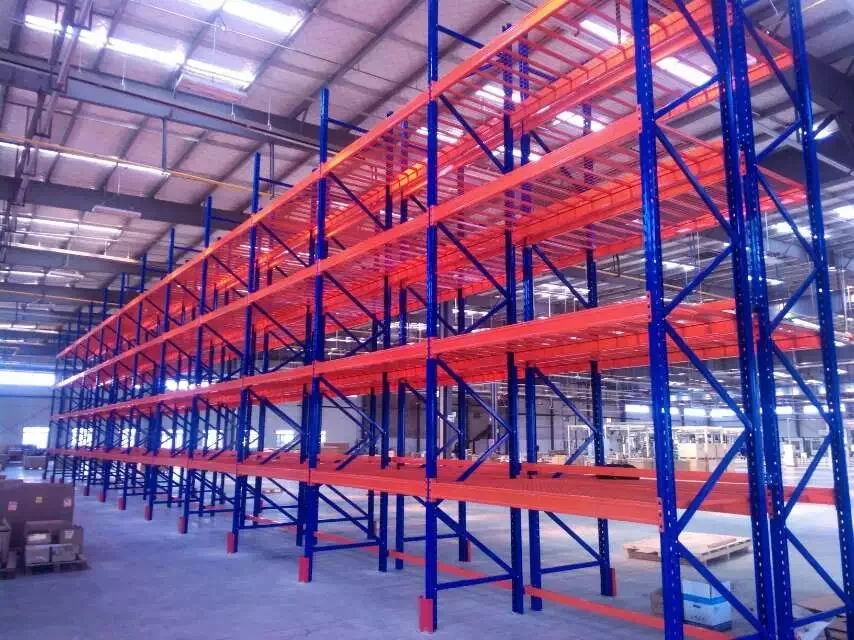
What to collect at the site survey
Ask the building owner for the latest structural or as-built floor drawings and a site contact. Record which areas were physically checked, which are based on drawings, and which remain unknown. A photo is most useful when it includes a scale or clear landmark and can be matched to a location on the floor plan.
| Record | What to share | Who reviews it |
|---|---|---|
| Floor construction | Available slab type, thickness, concrete and reinforcement records, with drawing date | Building structural engineer |
| Visible floor conditions | Locations and photos of expansion joints, saw cuts, cracks, repairs, pits and drains | Building engineer and rack designer |
| Drilling restrictions | Known or suspected tendons, buried services and areas requiring clearance or scanning | Site owner and qualified specialists |
| Proposed rack system | Upright positions, intended loads, frame and base plate details, and layout revision | Rack designer and building engineer |
Overlay the rack plan and floor plan
Use the same reference points on both plans, such as a column grid and an agreed origin. Mark each conflict by row and upright position. A note such as “Row B, upright 04, base plate near the joint beside grid line C” gives the design team a location they can find and review. “Floor joint near the racks” often sends the installer back for another survey.
Identify the type of joint if records confirm it. A saw-cut control joint and an expansion joint may require different treatment. When the joint type is unclear, leave it open on the drawing and let the project engineer resolve it. The Rack Manufacturers Institute’s anchoring FAQ explains how joint conditions can affect the review.
Keep layout, price and installation decisions in sync
For a preliminary quotation, list the floor assumptions and any excluded site work. Before ordering, identify who provides rack reactions and base plate details, who reviews the slab and anchor design, and who releases the installation drawing. On a retrofit, also record who locates hidden services and who signs off on drilling. Keep these responsibilities visible on the quotation or handover sheet.
For example, a proposed upright may land near a repaired strip even though the aisle and pallet clearances work on paper. Send the marked photo and drawing reference to the reviewers. If the approved solution moves the row, recheck the aisle, adjacent clearances and count of pallet positions before issuing the revised layout. The installer should receive that exact revision with the project-specific anchorage instructions.
Before you release the drawings
- Check that the site survey matches the current rack layout revision.
- Resolve or clearly mark every open question involving floor capacity, drilling or an upright location.
- Record who is responsible for building-side review, rack-side review and field verification.
- Confirm that the purchase list and installation package reflect the approved layout.
Can I request a quote while the slab is being checked?
Yes. Start with the rack footprint, pallet information and site notes. An initial estimate can show the floor assumptions and what needs review. Release installation only after the project team resolves those items and approves the drawings and anchorage details required for that site.
Use the warehouse racking RFQ checklist to prepare the rest of the information. For a project with selective pallet racking, send us the layout and marked floor plan so we can discuss what to include in the quotation.