Pallet Racking for Mixed Pallet Sizes: One Bay or Separate Zones?
Published:
A shared rack bay can work for mixed pallet sizes when each approved load fits, has the required support, and can be handled through the same aisle. Dedicated bays are usually easier to operate when a second pallet format needs different support, the load projects beyond the pallet, or the team cannot reliably distinguish compatible positions. Ask your rack supplier to draw both options from the same load list before you compare capacity and price.
Measure the loaded pallet in its actual entry direction
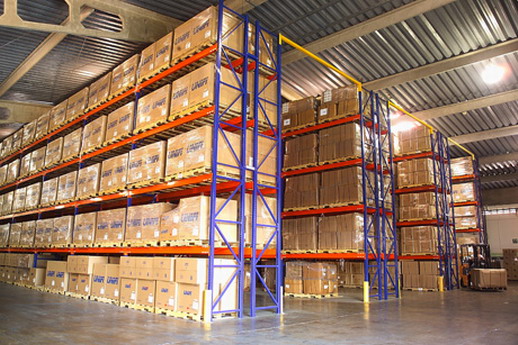
For each pallet family, record the pallet footprint, maximum loaded width, depth and height, maximum gross weight, bottom-board or runner arrangement, and the direction the forklift enters. Photograph the underside and the widest real load. Two pallets sold under the same nominal footprint can present different bearing points or extra width from the goods or wrap. Keep normal stock and occasional oversize loads as separate rows in the brief.
Compare usable positions, not the number of bays on the drawing
Consider a warehouse where most receipts use one repeatable format, while an occasional shipment arrives on longer export pallets. A shared layout may let both formats use more positions, provided the designer confirms support, access and load compatibility for every intended position. A dedicated zone may use fewer standard positions and make put-away rules easier to enforce. For both drawings, ask how many positions accept each format, how many remain usable during peak stock, and which positions need different components or labels.
Ask the designer to verify the pallet-to-rack interface
A wider bay addresses only part of the question. The pallet underside still has to bear where intended, and the forklift needs clearance to place and retrieve the full load. If there is a proposed support bar or deck, ask the designer to check it for the specific load and support pattern. Where the proposal changes an existing rack, give the original manufacturer or a qualified rack design professional the configuration drawing, load limits and proposed change. Record approved load types on the design and the operating signage.
Send a layout brief that a supplier can quote
Attach a plan with columns, doors and fixed obstacles. List the peak stock and expected number of positions for each pallet family, forklift model and preferred travel direction. Ask for a comparison showing accepted pallet types by zone, the number of usable positions, the components included and the assumptions still open. If the unusual pallet arrives infrequently, ask whether a dedicated floor or staging location is a better option for that stock.
Can one pallet footprint go into any bay if the beam is long enough?
Beam length addresses width. Confirm pallet support, clearances, load rating and handling access for the actual load first. Give the warehouse team a clear rule for which positions accept that pallet.
See selective pallet racking configurations
Send your pallet list and layout for a quote