Wire Mesh or Timber Decking for Pallet Racking? A Buyer’s Checklist
Which deck suits the load?
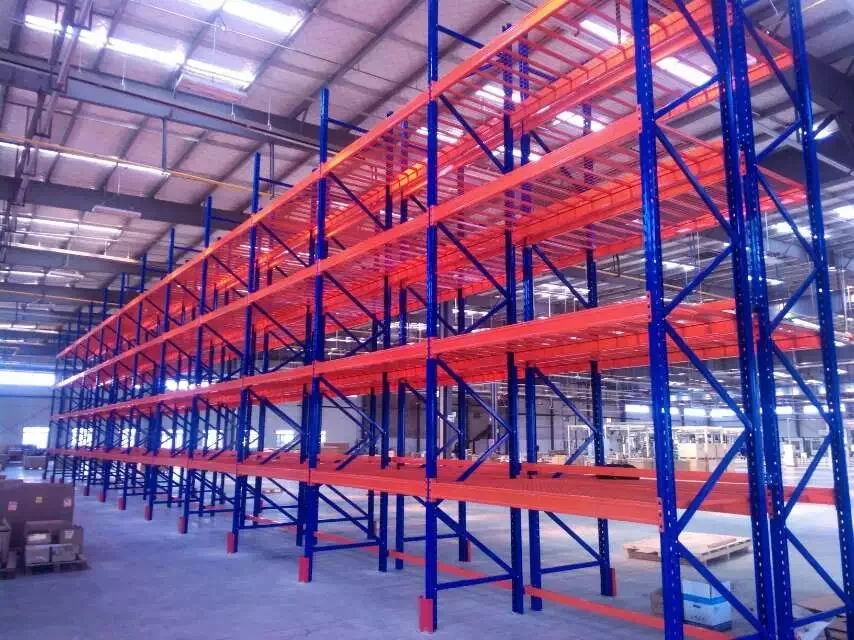
Choose pallet rack decking by what actually bears on the deck. Wire mesh is a practical option when you need an open surface under cartons, totes or smaller load bases. Open-boarded timber may provide broader contact across each board, but the gaps, board specification and means of retaining the boards still matter. For full pallets, first check whether the pallet is designed to bear directly on the two beams or requires additional support. Confirm the whole load path with the rack supplier.
Compare the same three details in every quote
| Check | Wire mesh | Open-boarded timber |
|---|---|---|
| Contact under the load | Compare mesh pitch and support-channel locations against the contact points. | Compare gaps and board positions against the narrowest feet or runners. |
| Beam interface | Specify the beam profile, channel bearing points and the deck’s retention or edge detail. | Specify the clear span, direction of the boards, their support and how they are retained. |
| Acceptance evidence | Request the rated configuration, load condition and a drawing showing the installed support. | Request the board material and dimensions, approved layout, load condition and installation drawing. |
Why a uniformly distributed load rating is insufficient for some bins
Two loads can weigh the same and load a deck differently. A carton with a broad base spreads pressure. A bin on four small feet puts most of the pressure into four small areas. A supplier needs the foot dimensions and spacing and where they land relative to the mesh channels or timber supports. Ask for a documented rating for that arrangement. ANSI MH26.2 addresses uniformly loaded welded-wire decking, so check the scope of a supplier’s load statement before applying it to concentrated loads.
What belongs in the request for quotation?
Send the beam face and clear span, front-to-back depth, beam profile and pictures of the supports. Add the smallest and heaviest load bases, including bottom views, and show how operators will place and remove them. For example, if two totes share a level, mark where both sets of feet land with the totes together. Compare quotes by approved load configuration, supporting hardware and replacement part availability before comparing price per deck. If fire protection affects the choice, share the proposed layout with the project’s fire protection team before finalizing the order.
Can a new deck increase the rack’s capacity?
Review the deck, beams, connections and frames as a system. A deck rating alone provides no basis for changing the rack capacity on the load sign. If you are changing the original configuration, send the existing drawings and the proposed load footprint for technical review.