Selective vs Drive-In Pallet Racking
On this page
| Buying consideration | Selective pallet racking | Drive-in racking |
|---|---|---|
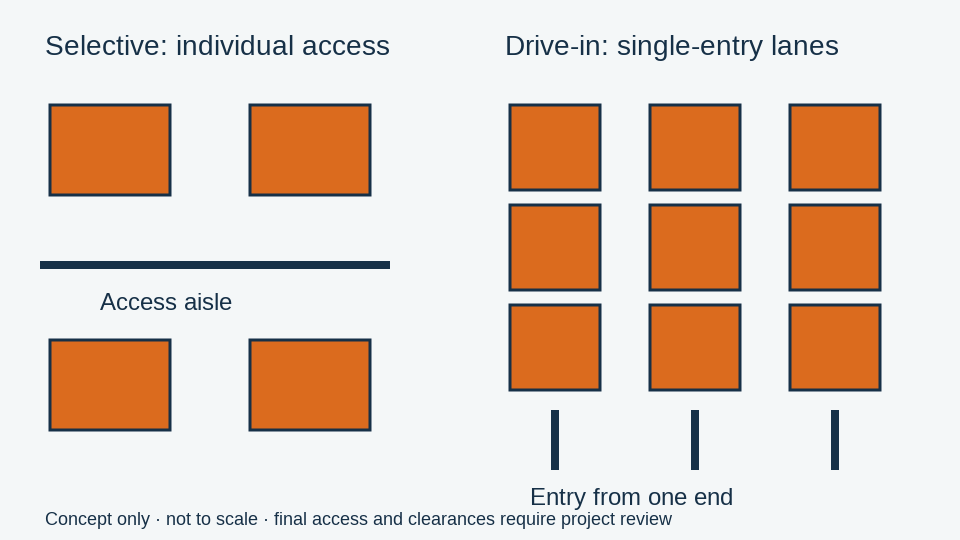
| Pallet access | Direct access to individual pallet positions from an aisle | Pallets stored in deep lanes entered by the forklift |
| Inventory | Mixed SKUs and frequent individual retrieval | Bulk quantities of similar products or batches |
| Stock rotation | Individual access supports different picking sequences | Typical single-entry lanes operate last in, first out |
| Space planning | More access aisles for flexible pallet retrieval | Fewer access aisles, with lane allocation and retrieval constraints |
Choose selective racking for individual access
Selective pallet racking is a practical starting point when many SKUs need to be retrieved independently. Consider how often pallets move and how the SKU mix changes, as well as the total pallet count.
Consider drive-in racking for bulk stock
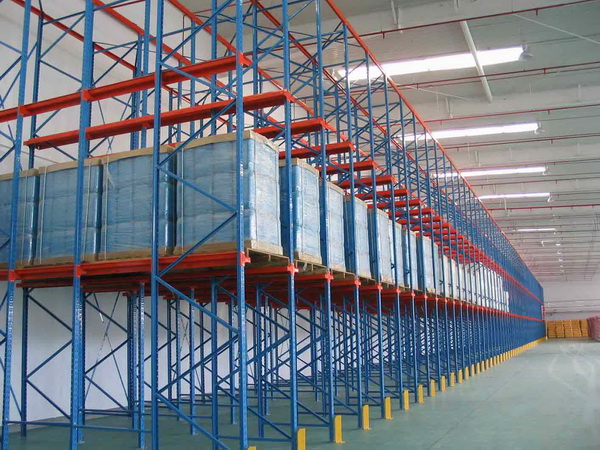
Drive-in storage groups compatible pallets in lanes. Check that the number of pallets per SKU, batch management and stock rotation suit this arrangement. For strict first-in, first-out stock rotation, assess another access arrangement rather than a typical single-entry drive-in lane.
Compare layouts using the same information
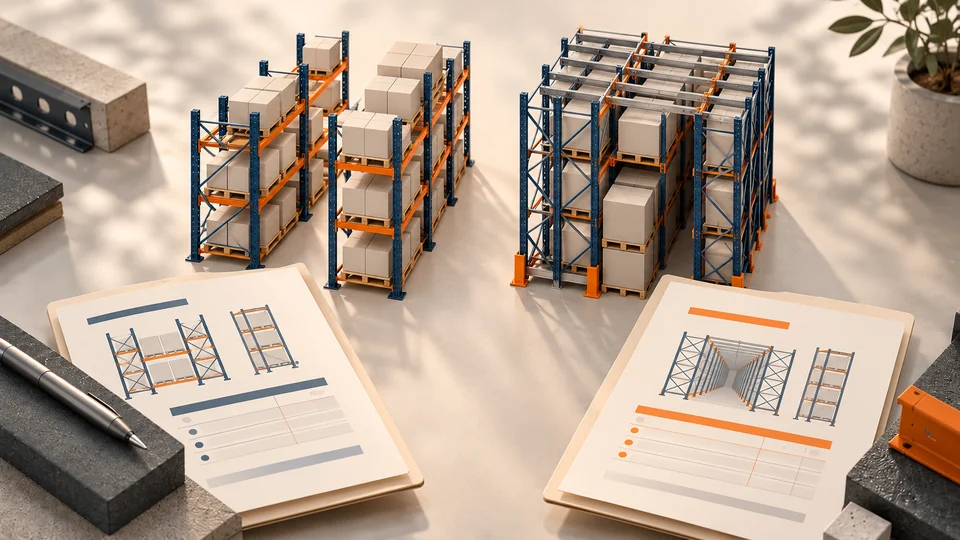
Give suppliers the same pallet dimensions, maximum loaded weights, inventory profile, forklift details and warehouse drawing. Ask how each layout handles daily retrieval and replenishment, not just how many pallet positions it provides.
Explore Selective Pallet Racking · Explore Drive-In Racking · Prepare Your RFQ
Two operating profiles to test before choosing a system
These are purchasing examples, not completed projects or capacity calculations.
Many SKUs with small quantities per reference
An aftermarket distributor may need to retrieve a particular pallet while leaving other references in place. Start with selective racking and list pallets per SKU, daily picks and replenishment frequency. A large total inventory alone does not show that deep lanes will be useful.
Repeated batches of the same product
A bulk-stock operation may have enough compatible pallets to fill storage lanes. Assess drive-in racking against the planned lane depth, batch separation and retrieval sequence. Record how partially filled lanes will be used and what happens when one SKU sells faster than another.
Questions buyers ask when comparing selective and drive-in racking
Which system is better for mixed SKUs?
Selective racking is generally the starting point when independent access to many references matters. For drive-in, check how many pallets of each compatible SKU or batch can be allocated to a lane without blocking the required retrieval sequence.
Is drive-in racking always the lower-cost option?
Compare the complete layout and operating scope, not rack price alone. Include usable pallet positions, lane utilization, handling equipment, required protection and local installation. Use the racking project cost guide and supplier quote comparison checklist to align the offers.
Can I choose aisle widths from the rack type alone?
No. The actual forklift, pallet dimensions and handling arrangement need review. For the clear aisles serving pallet storage, use our forklift-based pallet racking aisle guide. Drive-in lanes also need their own truck, pallet and rack-clearance review.
What information makes the two proposals comparable?
Send one dated layout with pallet sizes and loads, pallets per SKU or batch, stock-rotation requirements, truck details and required storage positions. Ask suppliers to identify assumptions, exclusions and how their proposed layout handles the same stock profile.
Continue reading
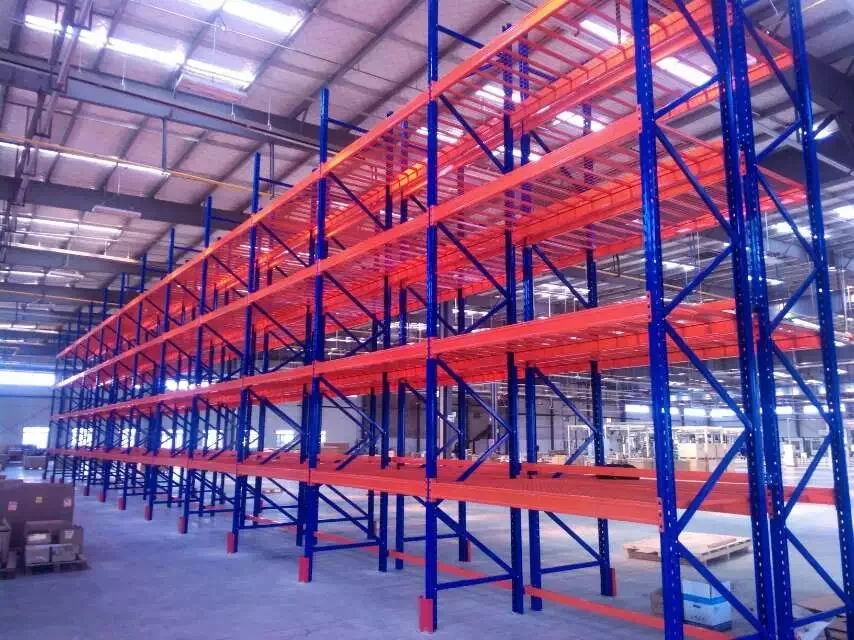
Pallet Racking
Pallet Racking Floor Slab Checklist Before Installation
A site handover checklist for rack distributors and installers. Mark floor joints, confirm slab records and give the rack and building engineers the same drawing before installation.
Read the guide Pallet Racking Floor Slab Checklist Before Installation →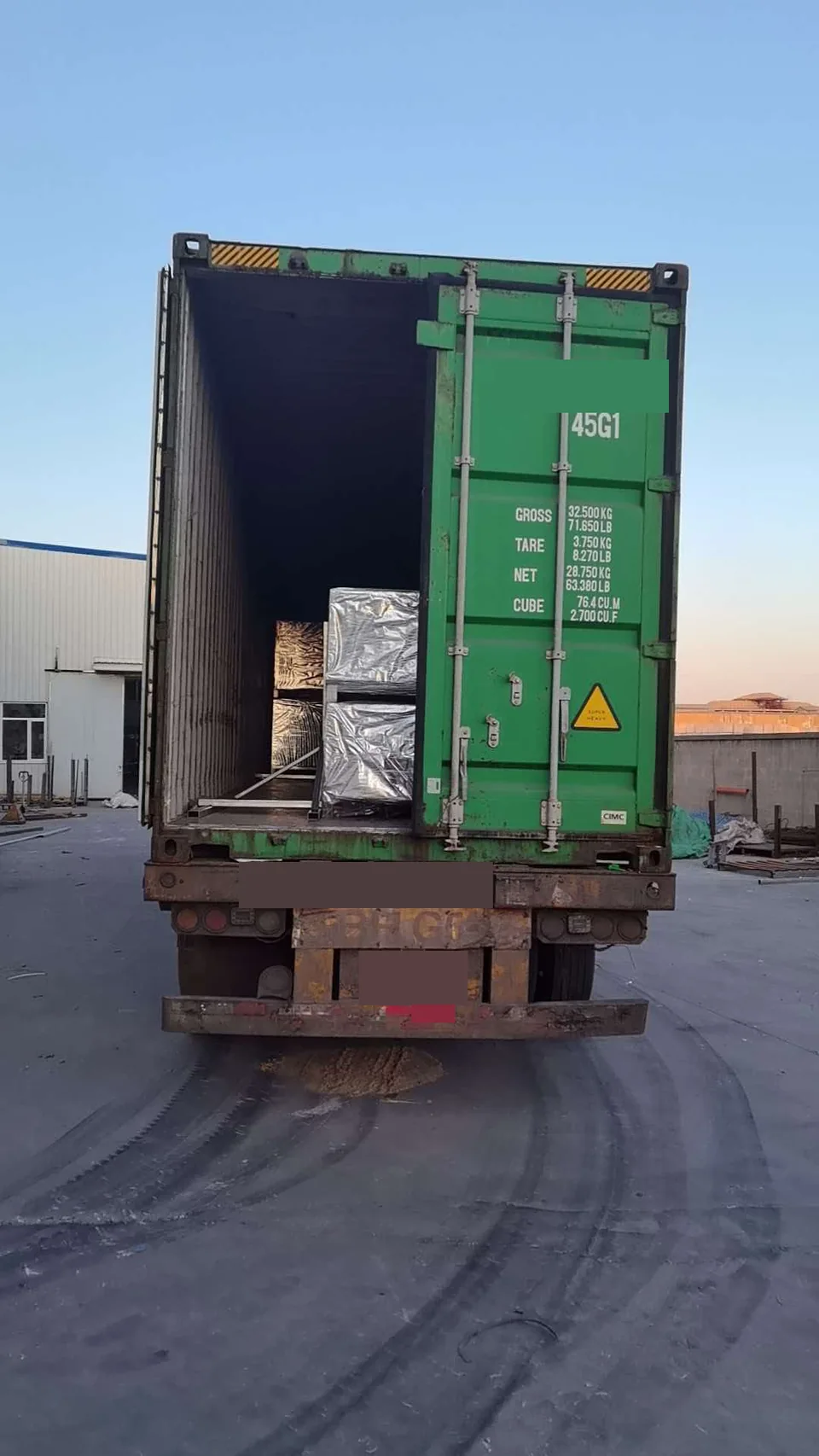
Import & Delivery
Pallet Racking Delivery Checks: Find Missing Parts Before Installation
Reconcile bundles, individual components and drawing revisions when pallet racking arrives. Includes a receiving table for distributors and installers.
Read the guide Pallet Racking Delivery Checks: Find Missing Parts Before Installation →Pallet Racking
Wire Mesh or Timber Decking for Pallet Racking? A Buyer’s Checklist
Compare wire mesh and open-boarded timber rack decking by load contact, beam fit and approval requirements. Includes a checklist for getting comparable quotes.
Read the guide Wire Mesh or Timber Decking for Pallet Racking? A Buyer’s Checklist →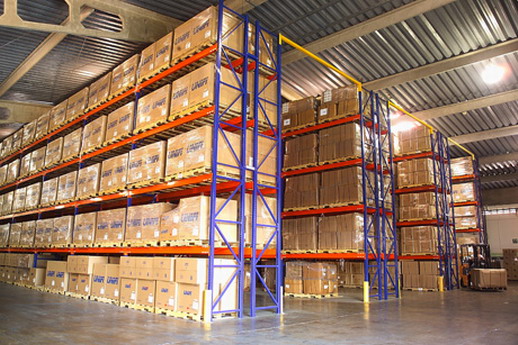
Pallet Racking
Pallet Racking for Mixed Pallet Sizes: One Bay or Separate Zones?
Compare shared and dedicated pallet rack bays using loaded dimensions, pallet support, gross weight and storage demand. Includes a checklist for layout quotes.
Read the guide Pallet Racking for Mixed Pallet Sizes: One Bay or Separate Zones? →Can You Extend Existing Pallet Racking? How to Match Beams and Frames
Planning to add bays or beam levels? Check the connectors, frame dimensions and load records before requesting a pallet racking extension quote.
Read the guide Can You Extend Existing Pallet Racking? How to Match Beams and Frames →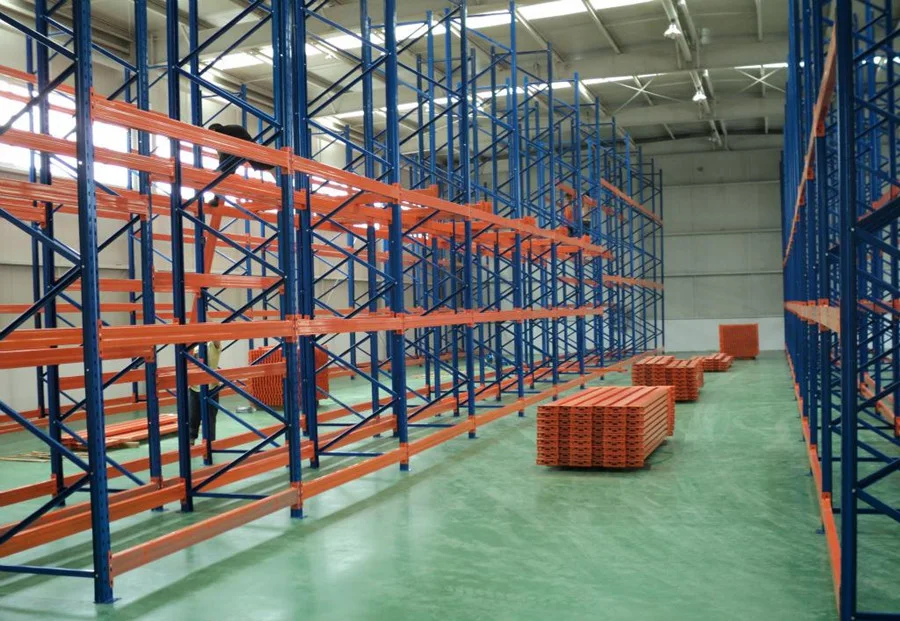
Cold Storage Planning
Cold Storage Pallet Racking: Can You Use a Fifth Level?
Use the top beam elevation, loaded pallet height and forklift data to check whether a fifth level of steel pallet racking will work in your cold room.
Read the guide Cold Storage Pallet Racking: Can You Use a Fifth Level? →
Pallet Racking
When a Pallet Racking Drawing Changes, What Needs a New Quote?
A revised pallet rack drawing can change the parts list, packing and installation scope. Use this checklist to reconcile both revisions before approving a quote.
Read the guide When a Pallet Racking Drawing Changes, What Needs a New Quote? →Pallet Racking
Adding Bays to Existing Pallet Racking: What to Check Before Ordering
Planning a rack expansion? Document the existing uprights, beams, loads and layout, then compare an engineered extension with a stand-alone row.
Read the guide Adding Bays to Existing Pallet Racking: What to Check Before Ordering →
Distributor Stock Planning
Boltless Shelving: How Distributors Should Plan a First Stock Order
Plan a first boltless shelving stock order around carton sizes, shelf configuration, spare parts and repeatable kits for hand-loaded storage.
Read the guide Boltless Shelving: How Distributors Should Plan a First Stock Order →Cold Storage Planning
Cold Storage Pallet Racking: What Changes the Design and Cost?
A cold-room rack quote can change when the floor, pallet support or cleaning conditions are clarified. Check the assumptions that affect supply, installation and usable storage.
Read the guide Cold Storage Pallet Racking: What Changes the Design and Cost? →Ordering & Specifications
Pallet Racking Bill of Materials: What to Check Before Ordering
Check frame and beam quantities, component specifications and supply scope before approving a pallet racking order. A practical BOM checklist for distributors and contractors.
Read the guide Pallet Racking Bill of Materials: What to Check Before Ordering →
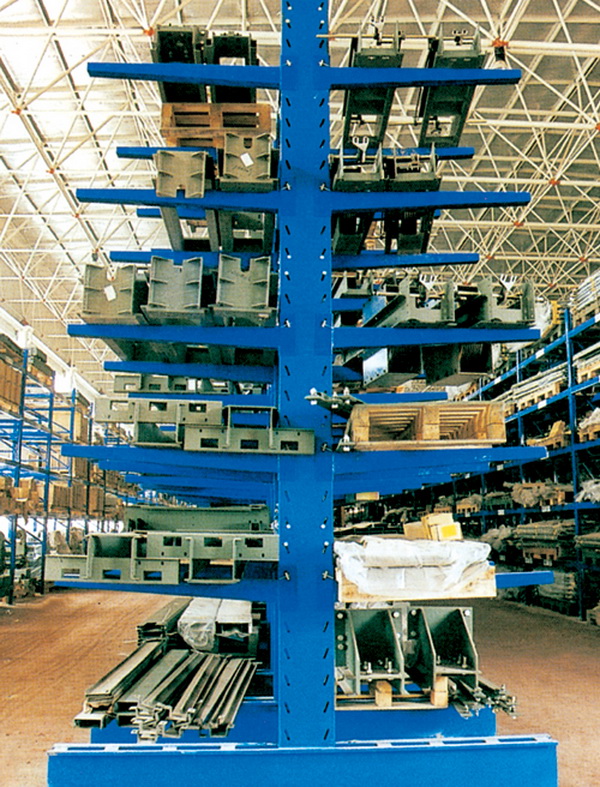
Racking Component Purchasing
Pallet Rack Beam and Upright Compatibility: A Buyer’s Checklist
Identify rack beams, uprights and connection details before ordering replacements or extensions. Use a purchasing checklist and written review status.
Read the guide Pallet Rack Beam and Upright Compatibility: A Buyer’s Checklist →Warehouse Racking Systems
Warehouse Racking Systems: A Selection Guide for Distributors
Choose warehouse racking systems for pallets, long materials and manual picking. Compare storage tasks, access needs and purchasing details before preparing a customer quotation.
Read the guide Warehouse Racking Systems: A Selection Guide for Distributors →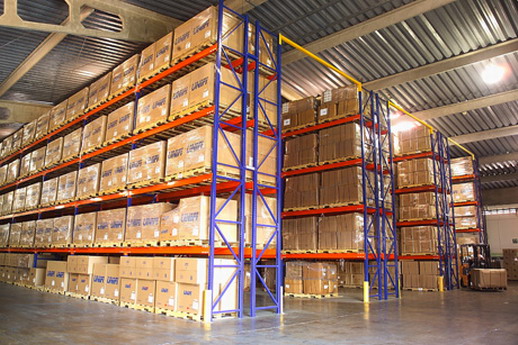
Racking Buying Advice
How to Import Pallet Racking from China: A Distributor's Checklist
Importing pallet racking involves more than comparing prices. Use this practical checklist to align specifications, verify suppliers, confirm orders and prepare shipments.
Read the guide How to Import Pallet Racking from China: A Distributor's Checklist →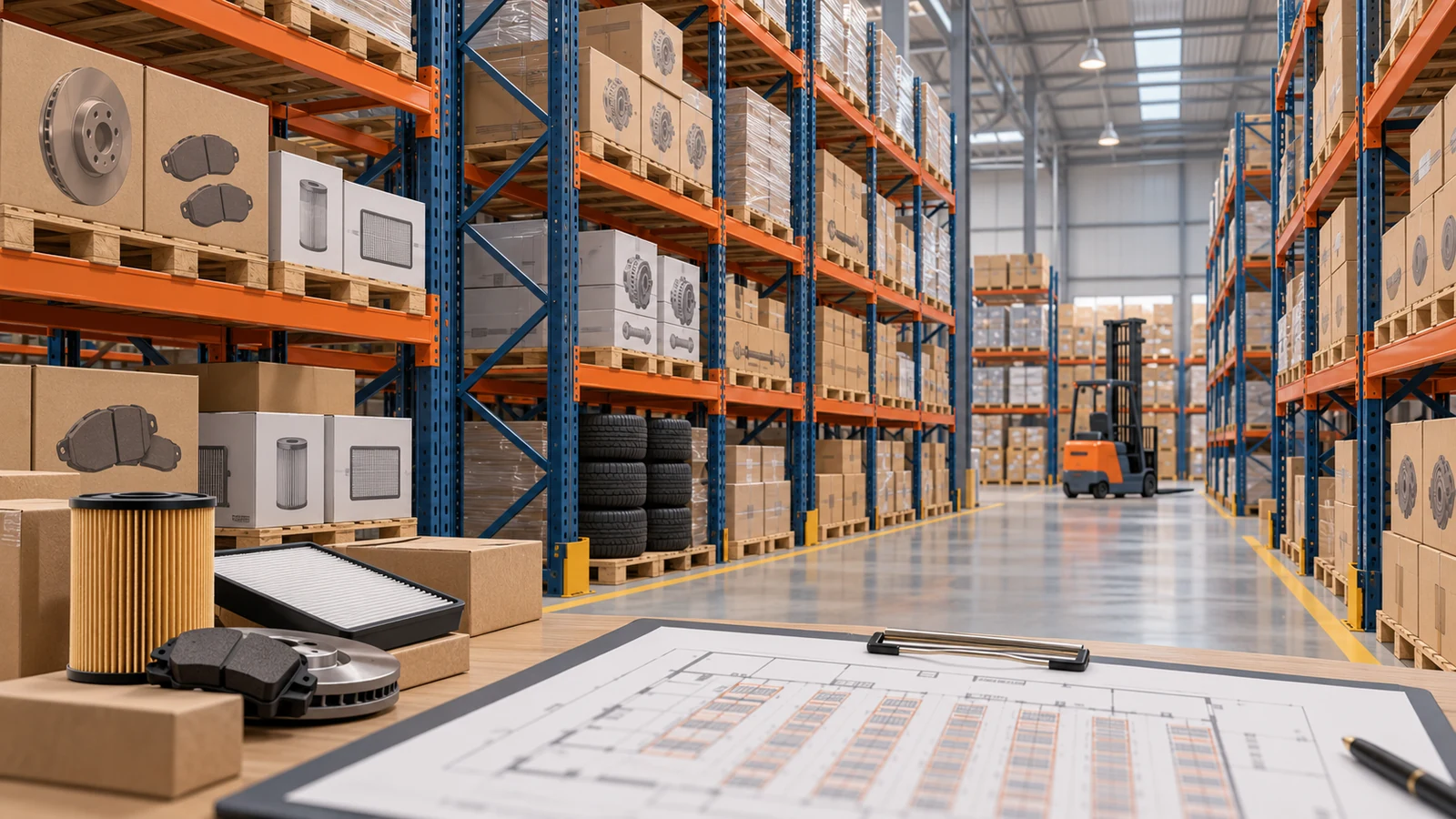
Warehouse Planning
Auto Parts Warehouse Racking: 7 Questions to Answer Before Requesting a Quote
Planning an auto parts warehouse? Answer seven key questions about parts, storage requirements, rack layout, load capacity and picking access before requesting a pallet racking quotation.
Read the guide Auto Parts Warehouse Racking: 7 Questions to Answer Before Requesting a Quote →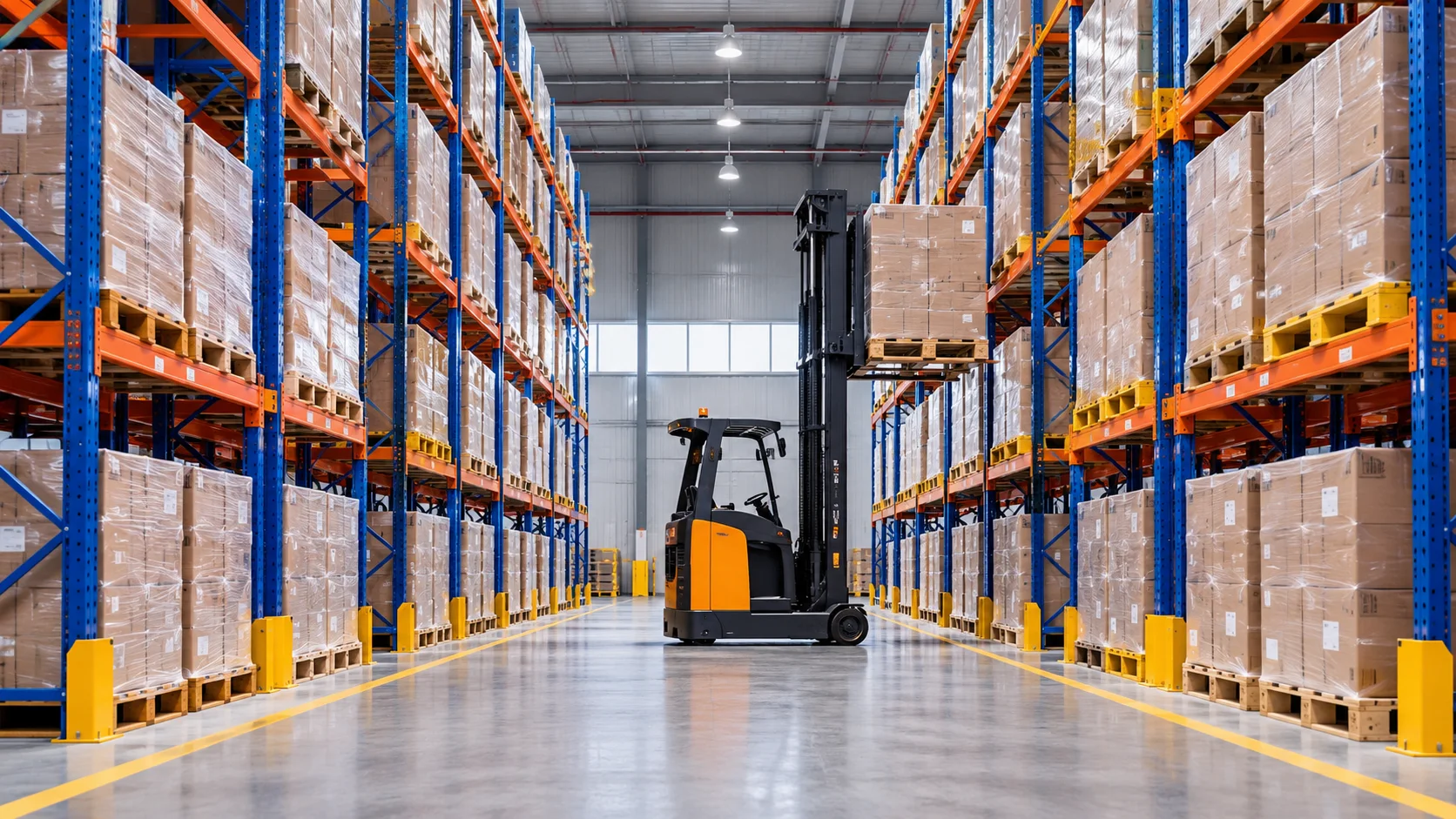
Racking Buying Advice
How Wide Should a Pallet Racking Aisle Be? A Forklift-Based Planning Guide
There is no universal pallet rack aisle width. Learn the measurements buyers need before fixing rack rows or requesting a quotation.
Read the guide How Wide Should a Pallet Racking Aisle Be? A Forklift-Based Planning Guide →Racking Buying Advice
Buying Pallet Racking from China: How to Compare Supplier Quotes
A lower total may cover a different rack configuration or supply scope. Learn how to align specifications, quantities and delivery details before comparing offers.
Read the guide Buying Pallet Racking from China: How to Compare Supplier Quotes →
Project budgeting
Pallet Racking Cost Factors & Quote Checklist
Understand product price, delivery and installation scope before comparing quotations.
Read the guide Pallet Racking Cost Factors & Quote Checklist →
RFQ preparation
Pallet Racking RFQ Template & Checklist
A practical checklist for goods, warehouse dimensions, handling and delivery details.
Read the guide Pallet Racking RFQ Template & Checklist →Compare the options for your warehouse
Send the same pallet, inventory and forklift details for each option you want quoted.